Updated: This article has been refreshed to tighten the timeline, clarify what is known from the bankruptcy reporting, and separate confirmed developments from MLXIO analysis.
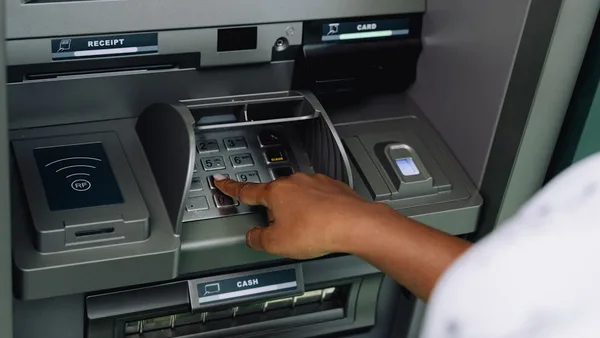
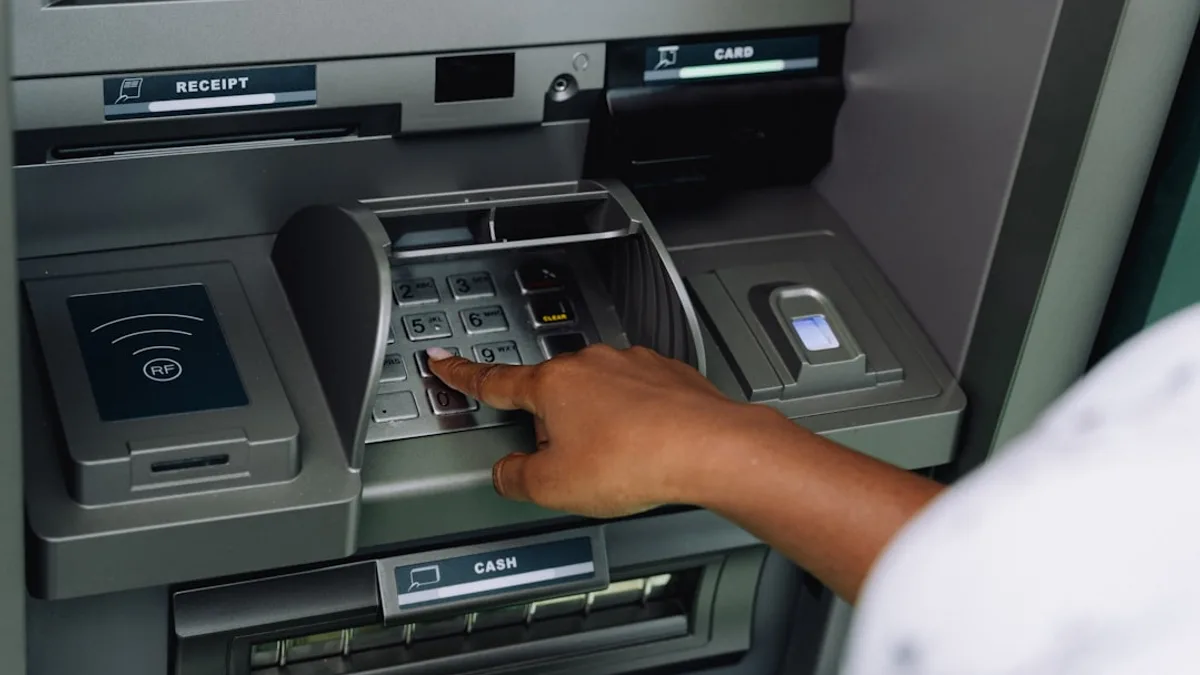
More than 9,000 Bitcoin Depot kiosks went dark after the company entered Chapter 11, turning one of crypto’s most visible retail on-ramps into a bankruptcy case study.
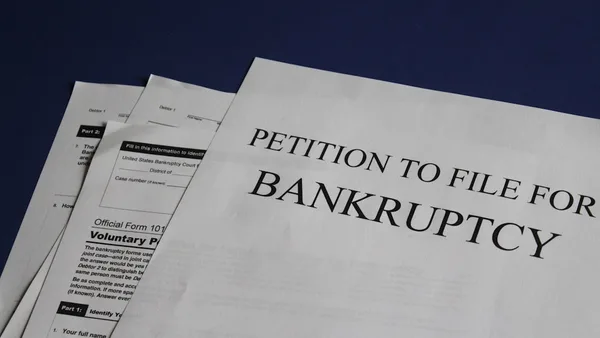
The Atlanta-based company, once described as the largest crypto ATM operator in North America, filed for voluntary Chapter 11 protection in the U.S. Bankruptcy Court for the Southern District of Texas and said it would wind down operations and sell assets, according to Finance Magnates. The collapse is not only about one operator running out of room. It raises a harder question for the crypto ATM sector: whether cash-to-bitcoin kiosks can still justify their compliance, fraud, and cash-handling risks at scale.
Bitcoin ATMs Promised Financial Access—Now They Are Being Treated as Fraud Infrastructure
Bitcoin ATMs were built around a simple pitch: let people turn cash into crypto without forcing them through a full exchange experience. That made sense during crypto’s early adoption cycle, especially for first-time buyers and cash-based consumers.
Now regulators are increasingly treating the same machines as a fraud channel.
What We Know: Bitcoin Depot took its kiosk network offline as part of the bankruptcy process. The company said it would wind down operations and sell assets. CEO Alex Holmes tied the company’s failure to state-level regulatory pressure, saying, “The regulatory environment for BTM operators has shifted significantly: states have imposed increasingly stringent compliance obligations or bans on BTM operations,” and, “Under these circumstances, the Company’s current business model is unsustainable.”
That language matters. Holmes did not describe the filing as a temporary liquidity squeeze or a narrow restructuring. He described the model itself as broken under current rules.
MLXIO analysis: The symbolic weight is heavy because Bitcoin Depot was not a fringe operator. If a company with that footprint cannot absorb compliance demands, bans, license suspensions, and fraud scrutiny, smaller operators may face an even tougher equation.
The larger issue is whether the original access argument still carries enough force. Crypto ATMs once filled a gap between physical cash and digital assets. But once fraud complaints scale, that access point starts to look less like financial inclusion and more like infrastructure that scammers can exploit.
The Numbers Behind Bitcoin Depot’s Collapse: 9,000 Kiosks, a 75% Stock Drop, and $389 Million in Fraud Losses
Bitcoin Depot’s bankruptcy came with numbers large enough to rattle the whole kiosk category.
Before the shutdown, the company operated more than 9,000 kiosks across 47 U.S. states and offered cash-to-bitcoin services through retail outlets in 31 states. During the Chapter 11 process, it took the full network offline.
The equity reaction was severe. The stock fell from about $3 to roughly $0.75 after the bankruptcy announcement, a decline of about 75%. That suggests investors saw limited recovery value after regulatory, operating, and bankruptcy costs.
The fraud figures help explain why regulators moved aggressively. FBI data cited in the case showed 13,460 crypto-kiosk fraud complaints in 2025, with losses of $389 million, up 58% year over year.
Those numbers shift the debate. A kiosk network with thousands of locations can be framed as distribution. A fraud channel with hundreds of millions in reported losses gets framed as public harm.
Financial stress was visible before the filing. On May 12, Bitcoin Depot told the SEC it could not file its first-quarter 2026 report on time because of a material weakness in cash-handling controls. It also issued a “going concern” warning.
Why It Matters: The cash-handling issue cuts to the core of the business. Bitcoin Depot was not just running software. It was operating a cash-heavy retail finance network across many jurisdictions. That means physical cash collection, controls, reporting, fraud monitoring, retail coordination, and licensing all had to work at once.
When the compliance burden rose and fraud scrutiny intensified, the operating complexity became harder to defend.
How State Crackdowns Turned Compliance Costs Into an Existential Threat
The collapse was not caused by one rule from one regulator. The pressure came from multiple states, each with its own restrictions, enforcement priorities, and political tolerance for crypto ATM risk.
Indiana banned Bitcoin ATMs in March 2026. Tennessee and Minnesota followed with similar measures. Connecticut suspended Bitcoin Depot’s operating license.
For a national kiosk operator, that kind of patchwork is punishing. A single federal rule can be expensive, but at least it is uniform. State-by-state restrictions force operators to manage different licensing risks, transaction requirements, compliance workflows, and shutdown threats across dozens of markets.
MLXIO analysis: This is where the Bitcoin ATM model becomes structurally fragile. A kiosk operator does not simply run an app. It must monitor cash transactions, identify scam patterns, satisfy money-transmission requirements, manage know-your-customer obligations, and keep retail partners comfortable hosting machines that may attract regulatory attention.
Each added compliance layer raises the cost of operating a machine. Each ban or license suspension reduces network scale. At some point, the model loses the advantage that made it viable: broad physical distribution.
Holmes’ quote points to that threshold. “Under these circumstances, the Company’s current business model is unsustainable” is not a complaint about one bad quarter. It is a statement that the operating environment changed faster than the company could adapt.
From Crypto On-Ramp to Regulatory Liability: The Rise and Fall of the Bitcoin ATM Boom
Crypto ATMs grew over the past decade as a physical bridge between cash and digital assets. The U.S. hosted the majority of installations, and operators positioned kiosks as simple entry points for buying and selling crypto.
That story worked during the adoption boom. A kiosk in a retail store made bitcoin feel accessible. Users could walk in with cash and leave with crypto exposure.
The current environment is much less forgiving.
Bitcoin Depot’s network, once a sign of reach, became a liability once the risk attached to each kiosk grew. Rapid retail expansion likely created weaknesses that were easier to ignore when growth was the main story. Kiosks depend on physical placement, cash logistics, retail relationships, and enough transaction volume to justify operating costs.
That does not mean every kiosk transaction is suspect. It does mean the channel carries a distinct vulnerability: fraudsters can direct victims to deposit cash into a machine, converting the payment into crypto that may be difficult or impossible to reverse.
The sector’s original access pitch has not disappeared. But it now competes with a much harsher risk assessment. A physical machine that once looked like a convenient on-ramp can become a regulatory liability if law enforcement sees it repeatedly involved in scams.
Who Wins and Who Loses as Bitcoin ATMs Disappear From Retail Stores
The immediate losers are legitimate cash users who relied on Bitcoin Depot kiosks for crypto access. If the network is offline, those customers lose a physical entry point, especially in locations where cash-to-bitcoin services were available through retail outlets.
Retailers may also lose whatever fee income or foot traffic came from hosting kiosks. The available reporting does not provide contract terms, so the financial impact on stores remains unclear. But the trade-off changes if hosting a kiosk brings reputational or compliance exposure.
Consumers harmed by scams may see a different outcome. Fewer kiosks can mean fewer convenient locations for fraudsters to send victims. CU Today reported that crypto ATMs have been cited in scam cases involving consumers, “particularly older Americans,” being instructed to deposit cash into machines that transfer cryptocurrency to fraudsters, according to CU Today.
Surviving ATM operators face a harder path. They may benefit from reduced competition, but only if they can prove stronger fraud prevention, cash controls, and state-by-state licensing discipline. Otherwise, Bitcoin Depot’s collapse becomes a warning, not an opportunity.
Regulated exchanges and fintech apps could absorb some users who still want crypto exposure. That is an inference, not a reported outcome. The bankruptcy does not prove demand for bitcoin disappeared. It shows that one cash-heavy distribution model became too costly and risky under current conditions.
What Bitcoin Depot’s Bankruptcy Means for Crypto Access, Compliance, and Retail Finance
The bankruptcy should not be read as a referendum on bitcoin demand. The source material does not support that. It is more precise to say cash-based crypto distribution is losing ground to models that can absorb heavier compliance obligations.
Bitcoin Depot’s case makes one lesson hard to avoid: in crypto infrastructure, compliance is no longer a support function. It is part of the product.
Fraud prevention, cash controls, identity checks, licensing, reporting, and customer risk management now shape whether a product can stay in market. For a kiosk operator, those functions are especially difficult because the business sits at the intersection of cash handling, retail finance, consumer protection, and digital asset transfer.
The May 12 SEC disclosure sharpened that point. A delayed quarterly report tied to a material weakness in cash-handling controls is not a minor administrative issue for a cash-to-bitcoin operator. It strikes at trust in the operating system behind the machines.
What Is Still Unclear: The bankruptcy filing says Bitcoin Depot will sell assets, but available reporting does not specify expected proceeds, buyer interest, creditor recoveries, or the value of the kiosk hardware, software, retail contracts, or licenses. It also does not say whether parts of the network could return under new ownership.
The future of state policy is also unresolved. Some states have banned or restricted crypto ATMs. Others may tighten rules without banning them. The difference matters for any buyer evaluating assets from the bankruptcy process.
What Comes Next: Asset Sales, Fewer Kiosks, and a Smaller but More Regulated Crypto ATM Market
Bitcoin Depot’s Chapter 11 process will likely center on asset sales, but the value of those assets depends on whether buyers believe the model can operate under tighter rules. Kiosks, software, retail relationships, and licenses may all have value. Regulatory uncertainty may sharply discount that value.
The next phase for crypto ATMs is likely smaller and more controlled. That is MLXIO analysis based on the bankruptcy facts, not a guarantee. The evidence points toward consolidation pressure: weaker operators exit, and stronger operators survive only if they can show credible fraud controls and compliance discipline.
The safeguards to watch are practical: transaction limits, enhanced identity checks, clear scam warnings, delayed transfers, real-time fraud intervention, stronger cash-handling controls, and state-specific compliance systems that do not collapse under complexity.
What To Watch: First, watch the bankruptcy asset sale. If buyers step in for meaningful parts of the network, that would suggest the kiosk model still has value under a stricter operating structure. If assets sell cheaply or fail to attract serious interest, the market may be repricing the category downward.
Second, watch state actions after Indiana, Tennessee, Minnesota, and Connecticut. More bans or license suspensions would reinforce Holmes’ view that the model is unsustainable. More tailored rules could leave room for a smaller, heavily monitored version of the business.
Third, watch whether remaining operators can reduce fraud complaints without losing the transaction volume that supports their networks. That is the core test.
Bitcoin ATMs may not vanish. But Bitcoin Depot’s collapse shows the high-growth era is over. The next version of the market, if it survives, will be shaped less by retail expansion teams and more by regulators, fraud controls, and the cost of proving every cash transaction is worth the risk.
Disclaimer: This MLXIO analysis is for informational and educational purposes only. It is not financial, investment, legal, tax, or professional advice. It does not provide buy, sell, hold, price-target, portfolio, or personalized recommendations. Verify information independently and consult qualified professionals before making decisions.
Impact Analysis
- Bitcoin Depot’s shutdown removes one of North America’s most visible cash-to-crypto access points.
- The Chapter 11 filing shows how state-level compliance costs, bans, and fraud scrutiny are pressuring crypto ATM operators.
- The collapse raises broader doubts about whether crypto kiosks can operate at scale under tighter consumer-protection and anti-fraud rules.