MLXIO
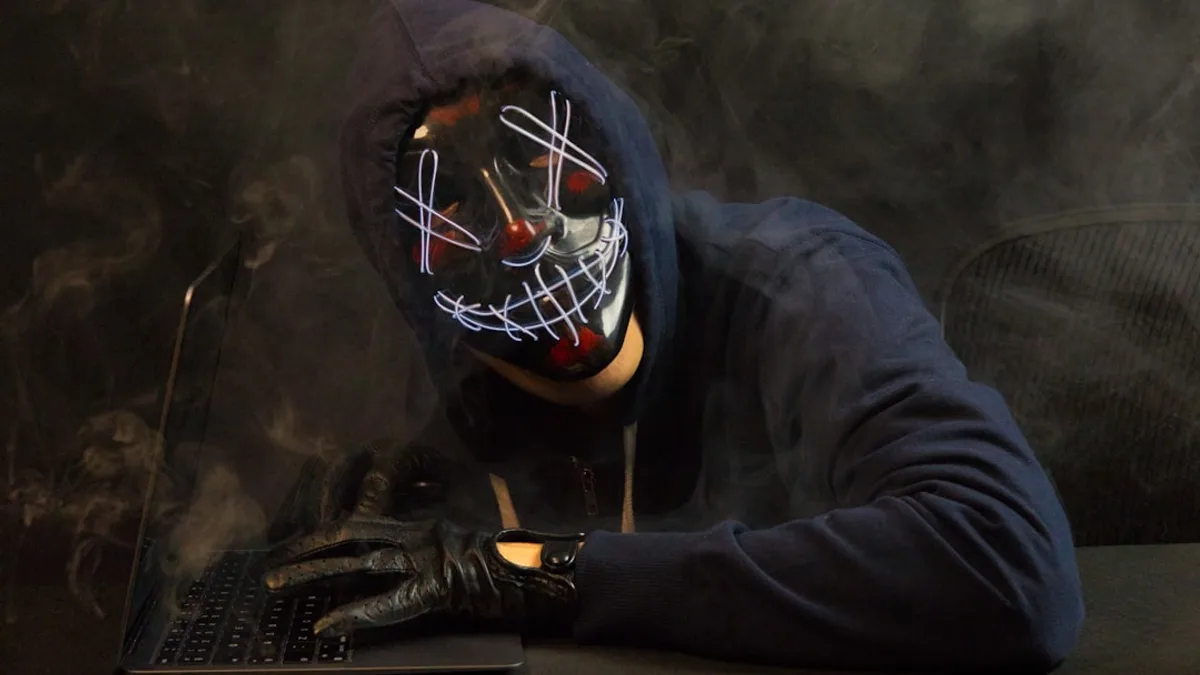
a man wearing a mask
CryptoMay 17, 2026· 4 min read· By MLXIO Insights Team

KelpDAO Hack Reveals DeFi’s Hidden Operational Risks

Share

MLXIO Intelligence

Analysis Snapshot

64
Moderate
Confidence: LowTrend: 20Freshness: 92Source Trust: 75Factual Grounding: 90Signal Cluster: 20

Moderate MLXIO Impact based on trend velocity, freshness, source trust, and factual grounding.

Thesis

Medium Confidence

The KelpDAO hack highlights a critical shift in DeFi risk from coding flaws to operational and governance vulnerabilities, emphasizing the need for improved operational security and decentralized verification.

Evidence

  • The KelpDAO hack is attributed to operational lapses rather than smart contract bugs.
  • CryptoBriefing stresses the importance of prioritizing operational security and decentralized verification to mitigate systemic risks.
  • The incident demonstrates that DeFi's attack surface includes governance and process controls, not just code.

Uncertainty

  • No specific details are provided on the exact mechanisms or losses from the KelpDAO hack.
  • It is unclear how KelpDAO or its community will respond to the breach.
  • The broader prevalence and impact of operational risks versus coding flaws in DeFi are not quantified.

What To Watch

  • Adoption of decentralized verification and operational audits by DeFi projects.
  • Changes in governance structures and transparency practices across protocols.
  • Disclosure of new procedural controls or industry-wide operational risk mitigation measures.

Verified Claims

The KelpDAO hack highlights DeFi's vulnerability to operational risks beyond coding flaws.
📎 The breach at KelpDAO puts the spotlight on governance breakdowns and human errors that can cascade through protocols.High
Operational risks in DeFi are harder to address than smart contract bugs.
📎 Governance mishaps or process failures often evade audits and cannot be fixed with a single commit.High
The KelpDAO hack was primarily caused by operational lapses, not technical exploits.
📎 The source makes one point clear: the KelpDAO hack is less about a technical exploit and more about operational lapses.Medium
Centralized controls and opaque processes create single points of failure in DeFi protocols.
📎 Centralized controls or opaque processes create single points of failure, which can be just as dangerous as unreviewed code.High
The incident underscores the need for robust decentralized verification and operational audits in DeFi.
📎 The industry’s response—whether it’s a shift toward more transparent governance, the adoption of decentralized verification, or the rollout of new operational controls—will reveal how seriously DeFi treats these non-code risks.High

Frequently Asked

What did the KelpDAO hack reveal about DeFi security?

The KelpDAO hack revealed that DeFi protocols are increasingly vulnerable to operational risks such as governance breakdowns and human errors, not just coding flaws.

How are operational risks different from smart contract bugs in DeFi?

Operational risks, like governance mishaps and process failures, are harder to patch and often evade audits, unlike smart contract bugs that can be fixed with code updates.

Why is decentralized verification important for DeFi protocols?

Decentralized verification helps prevent single points of failure caused by centralized controls or opaque processes, improving overall protocol security.

Did the KelpDAO hack involve a technical exploit?

According to the source, the KelpDAO hack was caused by operational lapses rather than a technical exploit.

What changes should DeFi projects make in response to operational risks?

DeFi projects should prioritize operational audits, implement decentralized review processes, and increase transparency in governance and procedural controls.

Updated on May 17, 2026

Why KelpDAO’s Hack Signals a New Era of Operational Risks in DeFi

The KelpDAO hack doesn’t just expose a single project’s weak spot—it signals DeFi’s growing vulnerability to operational failures, not just faulty code. Traditional DeFi exploits have mostly targeted smart contract bugs. This time, the problem cuts deeper: the breach at KelpDAO puts the spotlight on governance breakdowns and human errors that can cascade through protocols. CryptoBriefing frames the incident as a wake-up call, pressing the sector to prioritize operational security and decentralized verification.

This shift matters because operational risks are harder to patch. Unlike a line of buggy code, governance mishaps or process failures often evade audits and cannot be fixed with a single commit. The KelpDAO hack shows that DeFi’s next frontier is about fortifying human and procedural safeguards, not just battle-testing contracts.

What We Know: The Breach and Its Exposed Weaknesses

Details are limited, but the source makes one point clear: the KelpDAO hack is less about a technical exploit and more about operational lapses. Whether the root cause was flawed governance, insider actions, or breakdowns in protocol management, the event demonstrates that DeFi’s attack surface isn’t just its codebase—it’s the entire operational stack.

The incident brings to the forefront the need for robust decentralized verification. Centralized controls or opaque processes create single points of failure, which can be just as dangerous as unreviewed code.

Why It Matters: Implications for DeFi Security and Trust

This kind of breach impacts far more than a single protocol’s bottom line. When operational risks go unchecked, the systemic consequences can undermine user trust across the sector. As CryptoBriefing notes, DeFi projects must now treat governance, transparency, and process controls with the same gravity as code security.

The takeaway: asset security and protocol longevity now depend on operational resilience. Projects that neglect this will likely see increased scrutiny—not only from users but also from potential partners and liquidity providers wary of hidden risks.

What Is Still Unclear: Data Gaps and Unanswered Questions

The source does not supply hard numbers: no specific losses, no breakdown of exploited vectors, and no trend data comparing coding flaws to operational failures. We don’t know the precise mechanisms behind the KelpDAO hack or whether it fits into a broader pattern of governance-related breaches. The DeFi industry’s overall loss exposure to operational errors versus smart contract bugs remains unquantified in this report.

We’re left without insight into how KelpDAO or its community will respond, what mitigation steps will follow, or whether other protocols are equally vulnerable. The absence of these details makes it impossible to draw definitive conclusions about the scale of the threat or the effectiveness of current defenses.

What to Watch: Signals for the Next Phase of DeFi Security

The KelpDAO hack is a signal flare. The industry’s response—whether it’s a shift toward more transparent governance, the adoption of decentralized verification, or the rollout of new operational controls—will reveal how seriously DeFi treats these non-code risks.

Watch for concrete changes in how protocols structure their governance and transparency. If DeFi projects begin prioritizing operational audits, implementing decentralized review processes, and disclosing procedural controls, that’s evidence the lesson landed. If, instead, operational risks remain an afterthought, expect more headlines like KelpDAO’s—and longer-term damage to user trust.

MLXIO Analysis: The Path Forward Demands Operational Rigor

The days when code audits alone could reassure users are over. The KelpDAO incident, as reported by CryptoBriefing, underscores that operational security now belongs at the core of DeFi’s risk management playbook.

For projects, the practical playbook includes: decentralizing verification procedures, publishing clear governance frameworks, and running operational scenario tests—not just code reviews. For users and investors, the lesson is to scrutinize not just smart contracts, but also the transparency and robustness of a protocol’s governance.

What could confirm this shift? A wave of DeFi projects rolling out operational security disclosures, third-party governance audits, and community-driven verification. What would weaken it? A return to business as usual, with operational risk buried in footnotes—until the next breach.


Disclaimer: This MLXIO analysis is for informational and educational purposes only. It is not financial, investment, legal, tax, or professional advice. It does not provide buy, sell, hold, price-target, portfolio, or personalized recommendations. Verify information independently and consult qualified professionals before making decisions.

Impact Analysis

  • The KelpDAO hack exposes how DeFi protocols are now vulnerable to operational risks, not just technical flaws.
  • Governance breakdowns and process failures are harder to detect and fix than code bugs, creating new challenges for DeFi security.
  • Unchecked operational risks can erode trust in decentralized finance as a whole, impacting user confidence and sector stability.

Disclaimer: Content on MLXIO is produced using AI-assisted research, drafting, and verification workflows and is intended for informational and educational purposes only. It does not constitute financial, investment, legal, tax, medical, or professional advice of any kind. All analysis reflects available information at the time of publication and may not be current. Verify information independently and consult qualified professionals before making decisions. Editorial policy

MLXIO

Written by

MLXIO Insights Team

Algorithmic Research & Human Oversight

Powered by advanced algorithmic research and perfected by human oversight. The Insights Team delivers highly structured, cross-verified analysis on emerging tech trends and digital shifts, filtering out the fluff to give you high-fidelity value.

Related Articles

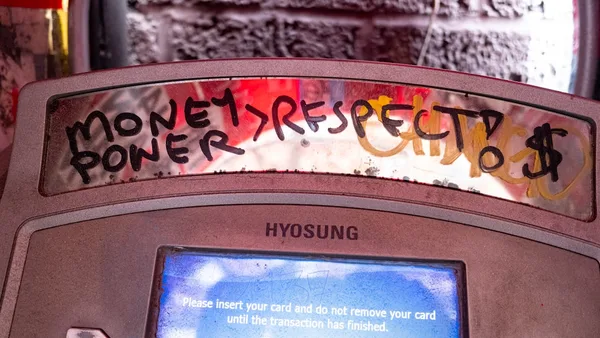
Graffiti on atm reads money, power, respect, and dollar sign.
CryptoMay 11, 2026

Hacker Returns $190K to Renegade, Shaking DeFi Trust

A hacker returned 90% of $190K stolen from Renegade, disrupting typical DeFi hack outcomes and spotlighting new attacker motives.

5 min read

a laptop with a picture of a dog on the screen
CryptoMay 19, 2026

DeFi Yield Farming Wars: Who Tops Lending and Returns in 2026?

2026’s DeFi yield farming and lending platforms battle for top APYs and security. Choose wisely to maximize crypto returns without risking liquidation or hacks.

11 min read

blue and red line illustration
CryptoMay 19, 2026

DeFi Lending Platforms Clash: Who Offers Top Rates and Ease?

DeFi lending platforms battle for dominance by offering the best interest rates, collateral demands, and user experience in a booming $128B market.

10 min read

a pile of gold and silver bitcoins
CryptoMay 19, 2026

Top DeFi Platforms Spark High-Yield Farming Frenzy in 2026

DeFi platforms in 2026 offer explosive yield farming and staking returns, but risks like smart contract bugs and volatility demand savvy choices.

11 min read

a close up of a pile of crypt coins
CryptoMay 13, 2026

Yield Farming Strategies Reveal Safe Paths to Big 2026 Returns

DeFi yield farming in 2026 offers high returns but demands smart risk management to avoid losses from contract flaws and token volatility.

12 min read

two black fish finders on a fishing boat
TechnologyAug 5, 2026

Apple CarPlay Grabs the Helm on 2027 Pontoon Boats

Apple CarPlay and Android Auto are coming standard to select 2027 Crest and Balise pontoons with Savvy Navvy navigation.

7 min read

a person holding a smart phone in their hand
TechnologyAug 4, 2026

18-Hour Motorola Razr Fold Leaves Samsung Chasing Hard

Motorola’s Razr Fold hit 18h22m browsing, beating Samsung’s Galaxy Z Fold7 by about four hours.

7 min read

person clicking Apple Watch smartwatch
TechnologyAug 4, 2026

51 New Workout Modes Fix Amazfit Helio Strap's Big Gap

Amazfit Helio Strap firmware 3.22.0.1 adds 51 workout modes, VO2 Max tweaks and phased global rollout via Zepp.

5 min read

Nightstand with a lamp, clock, and chargers.
TechnologyAug 4, 2026

ChargeUltra G4 Bets $40 Can Kill Nightstand Clutter

ChargeUltra G4 packs a charger, clock, alarms, and light into a $40 Kickstarter—but delivery is not due until October 2026.

7 min read

icon
TechnologyAug 4, 2026

WhatsApp Group Chats Grab an @all Panic Button Today

WhatsApp is adding @all alerts, tighter poll controls and easy spin-off groups to stop decisions from getting buried in busy chats.

6 min read

Stay ahead of the curve

Get a weekly digest of the most important tech, AI, and finance news — curated by AI, reviewed by humans.

No spam. Unsubscribe anytime.