MLXIO
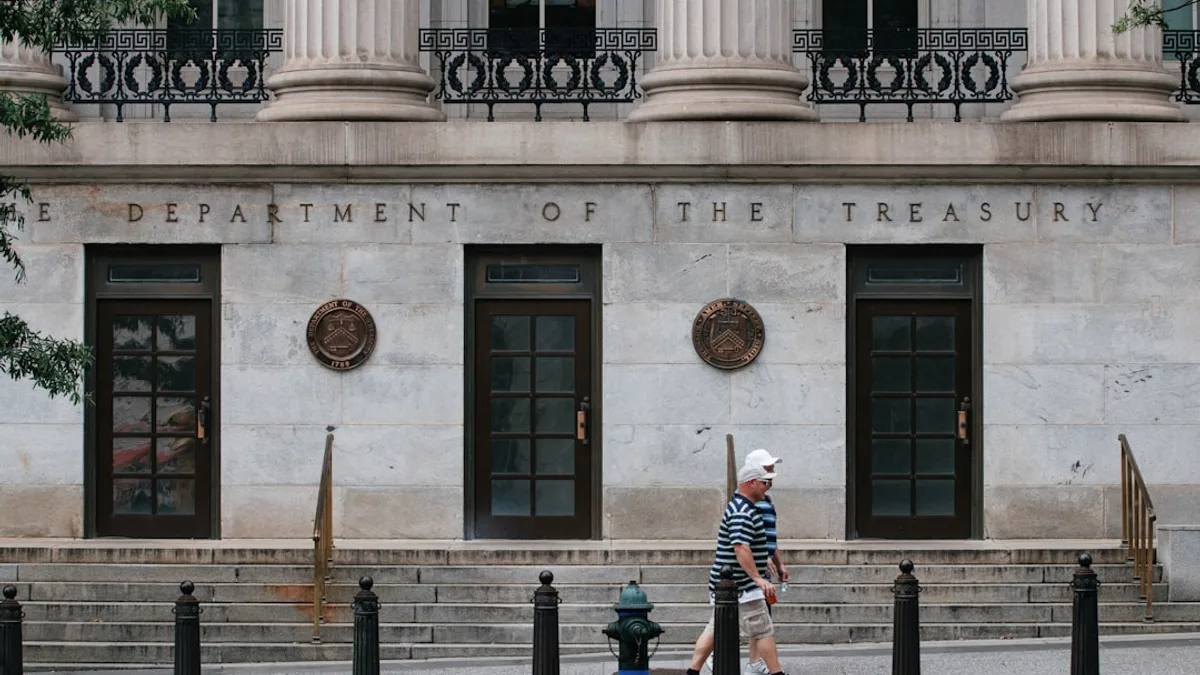
Two people walking down a street past a tall building
FinanceMay 10, 2026· 3 min read· By MLXIO Insights Team

US Treasury Sparks Sanctions Fear Over Iran-China Bank Deals

Share

MLXIO Intelligence

Analysis Snapshot

65
Moderate
Confidence: LowTrend: 10Freshness: 99Source Trust: 75Factual Grounding: 90Signal Cluster: 40

Moderate MLXIO Impact based on trend velocity, freshness, source trust, and factual grounding.

Thesis

Medium Confidence

The US Treasury has warned foreign financial institutions of sanctions risks if they engage with Iran, especially where Chinese connections are involved, aiming to deter such dealings and potentially further isolate Iran from international finance.

Evidence

  • The US Treasury issued a warning to foreign banks about sanctions risks linked to Iran and China.
  • The warning is intended to pressure global banks to cut ties with Tehran, which could impact international trade dynamics.
  • The warning may have immediate chilling effects as banks weigh the risks of US enforcement.
  • The source does not specify the timing, legal details, or communication channels of the warning.

Uncertainty

  • The full text and compliance guidance of the Treasury warning have not been released.
  • No public reactions from international banks or trade groups are available.
  • It is unclear how aggressively banks will respond or whether certain types of trade might be exempt.

What To Watch

  • Whether major financial institutions sever ties with Iran in response to the warning.
  • Any follow-up enforcement actions or clarifications from the US Treasury.
  • Shifts in international trade patterns involving Iran and China.

Verified Claims

The US Treasury has warned foreign financial institutions about sanctions risks related to dealings with Iran, especially where China is involved.
📎 The US Treasury has warned foreign financial institutions about the risks of sanctions if they engage with Iran, citing potential links to China as well.High
The Treasury's warning may deter global banks from engaging with Iran, potentially increasing Iran's financial isolation.
📎 The Treasury’s message is designed to deter foreign banks from facilitating transactions involving Iran... The warning itself may have immediate chilling effects, as financial institutions weigh the costs of being caught in US enforcement crosshairs.High
Details about the timing, legal specifics, and communication channels of the US Treasury's warning have not been disclosed.
📎 Specifics on the warning’s timing, the precise legal risks, and the communication channels used remain undisclosed in the public source.High
The full text of the Treasury warning and any compliance guidance have not been released to the public.
📎 The Treasury warning’s full text and any attached guidance for compliance have not been released.High
There is no public information on how international banks or trade groups have reacted to the Treasury's warning.
📎 The source does not detail how international banking and finance communities have reacted. No statements from affected institutions or trade groups are available.High

Frequently Asked

What did the US Treasury warn foreign banks about?

The US Treasury warned foreign financial institutions about the risk of sanctions if they engage in transactions with Iran, especially where there are links to China.

How might the Treasury's warning affect Iran's access to international finance?

The warning may deter global banks from dealing with Iran, potentially increasing Iran's financial isolation and disrupting its international trade.

Are the details of the US Treasury's warning to banks publicly available?

No, specifics such as the timing, legal risks, and the full text of the warning have not been disclosed.

Has there been any public reaction from international banks to the Treasury's warning?

No public statements or reactions from international banks or trade groups have been reported.

Does the Treasury's warning specify exemptions for certain types of trade with Iran?

It is unclear whether certain forms of trade, such as commercial or humanitarian transactions, are exempted, as no guidance has been released.

Updated on May 10, 2026

US Treasury Flags Iran and China Sanctions Risks for Foreign Banks

The US Treasury has warned foreign financial institutions about the risks of sanctions if they engage with Iran, citing potential links to China as well. The move signals Washington's intent to pressure global banks into cutting ties with Tehran, a step that could isolate Iran from international finance and shake up trade flows, according to CryptoBriefing.

Specifics on the warning’s timing, the precise legal risks, and the communication channels used remain undisclosed in the public source. What’s clear: the Treasury’s message is designed to deter foreign banks from facilitating transactions involving Iran, especially where Chinese connections might complicate compliance. The warning itself may have immediate chilling effects, as financial institutions weigh the costs of being caught in US enforcement crosshairs. This follows recent developments in Putin's offer to store Iran’s enriched uranium, which have increased geopolitical tensions around Iran.

Deterred Dealings: Iranian Trade Could Face New Hurdles

Banks worldwide now face a stark choice—maintain relationships in sanctioned markets or risk US action. The Treasury’s warning could prompt many global banks to pull back from Iranian clients, amplifying Iran’s financial isolation. For Iran, already constrained by sanctions, the threat of further exclusion from the international banking system could disrupt trade and investment.

The message also casts a shadow over any financial dealings involving both Iran and China, even if the exact scope of applicable transactions is not public. Bank compliance teams will likely tighten controls, scrutinizing cross-border transactions that touch either jurisdiction. The broader implication: a single warning from Washington can send ripples through global financial networks, potentially stalling transactions and raising the perceived risk of doing business in or with Iran. This adds to the complexity of recent US naval blockades disrupting oil traffic in the Strait of Hormuz, which further impact regional trade flows.

The source does not detail how international banking and finance communities have reacted. No statements from affected institutions or trade groups are available. The lack of specifics leaves open how aggressively banks will interpret the warning—whether they will cut off all Iranian business or take a wait-and-see approach.

What Remains Unclear and What Financial Institutions Must Watch

Much is still unknown. The Treasury warning’s full text and any attached guidance for compliance have not been released. There’s no public timeline for potential enforcement or clarity on whether certain forms of trade—commercial, humanitarian, or otherwise—might be exempted or still permitted. How the warning will affect cross-border trade between Iran, China, and other world markets remains to be seen.

For now, the central fact is the US Treasury’s stated intent to deter global banks from supporting Iran-linked finance, especially where Chinese connections are involved. How far this warning goes will depend on regulatory follow-through and the risk appetite of individual banks.

The key watch item: whether major financial institutions sever ties with Iran in response, and how that shifts international trade patterns. The next signal will likely come if the Treasury moves from warnings to visible enforcement. Until then, uncertainty—and caution—will define how foreign banks approach Iran- and China-linked transactions.


Disclaimer: This MLXIO analysis is for informational and educational purposes only. It is not financial, investment, legal, tax, or professional advice. It does not provide buy, sell, hold, price-target, portfolio, or personalized recommendations. Verify information independently and consult qualified professionals before making decisions.

Impact Analysis

  • The US Treasury's warning could further isolate Iran from global financial systems, impacting its trade and investment flows.
  • Foreign banks risk US sanctions if they facilitate transactions involving Iran, especially when linked to China, prompting stricter compliance measures.
  • Heightened enforcement threats may disrupt cross-border transactions and increase risk perceptions for financial institutions operating in sanctioned markets.


Disclaimer: Content on MLXIO is produced using AI-assisted research, drafting, and verification workflows and is intended for informational and educational purposes only. It does not constitute financial, investment, legal, tax, medical, or professional advice of any kind. All analysis reflects available information at the time of publication and may not be current. Verify information independently and consult qualified professionals before making decisions. Editorial policy

MLXIO

Written by

MLXIO Insights Team

Algorithmic Research & Human Oversight

Powered by advanced algorithmic research and perfected by human oversight. The Insights Team delivers highly structured, cross-verified analysis on emerging tech trends and digital shifts, filtering out the fluff to give you high-fidelity value.

Related Articles

red and white ship on sea under cloudy sky during daytime
FinanceJul 13, 2026

Oil Prices Jump 5% as Hormuz Panic Grips Global Traders

Oil spiked as US-Iran strikes and renewed sanctions turned Hormuz fears into a supply-risk trade.

8 min read

Donald Trump beside man in black suit
FinanceMay 11, 2026

Trump Rejects Iran Peace Plan, Sparks Oil Price Surge

Trump’s outright rejection of Iran’s peace proposal triggered a spike in oil prices, highlighting how political tensions unsettle global energy markets.

3 min read

a large boat floating on top of a large body of water
FinanceMay 5, 2026

Iran Sparks Oil Shock Fears as WTI Crude Eyes $150

Iran's missile threats near the Strait of Hormuz risk disrupting 20% of global oil transit, sending WTI crude prices toward $150 per barrel.

7 min read

three large ships in the ocean with a sky background
FinanceJul 13, 2026

4% Oil Price Spike Exposes Hormuz Traffic Collapse

Hormuz traffic collapsed, Brent jumped 4%, and traders are pricing disruption risk before any full closure is confirmed.

6 min read

the flag of the country of iraq flying in the sky
FinanceJun 8, 2026

$24B Frozen Iranian Assets Could Pay Gulf Allies' War Bills

$24B in frozen Iranian assets could be redirected to Gulf allies, turning sanctions leverage into war-damage funding.

8 min read

person holding iphone 6 with blue and red iphone case
TechnologyAug 1, 2026

185Hz Redmi K100 Pro Max Bets Big on Mobile Gamers

Xiaomi is teasing the Redmi K100 Pro Max with a 185Hz display and 185 fps support for 30+ games ahead of its China launch.

5 min read

silver and gold round analog watch
TechnologyJul 31, 2026

Full-Metal Casio A1000SP-7 Hits Global Shelves, US Waits

Casio’s full-metal A1000SP-7 is now live in India, China and Europe, while US buyers are still waiting.

6 min read

two black fish finders on a fishing boat
TechnologyAug 5, 2026

Apple CarPlay Grabs the Helm on 2027 Pontoon Boats

Apple CarPlay and Android Auto are coming standard to select 2027 Crest and Balise pontoons with Savvy Navvy navigation.

7 min read

a person holding a smart phone in their hand
TechnologyAug 4, 2026

18-Hour Motorola Razr Fold Leaves Samsung Chasing Hard

Motorola’s Razr Fold hit 18h22m browsing, beating Samsung’s Galaxy Z Fold7 by about four hours.

7 min read

person clicking Apple Watch smartwatch
TechnologyAug 4, 2026

51 New Workout Modes Fix Amazfit Helio Strap's Big Gap

Amazfit Helio Strap firmware 3.22.0.1 adds 51 workout modes, VO2 Max tweaks and phased global rollout via Zepp.

5 min read

Stay ahead of the curve

Get a weekly digest of the most important tech, AI, and finance news — curated by AI, reviewed by humans.

No spam. Unsubscribe anytime.