MLXIO
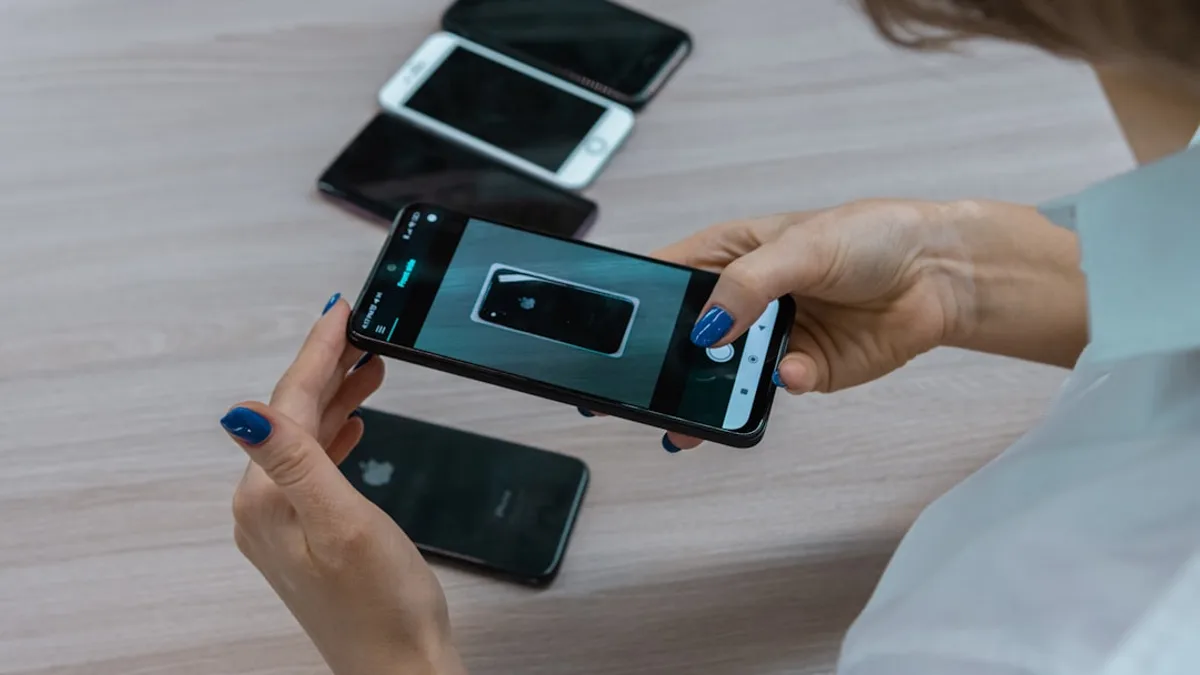
a woman holding a smart phone in her hands
TechnologyMay 20, 2026· 4 min read· By MLXIO Insights Team

Android Clones Apple’s Handoff, Sparking a Cross-Device Battle

Share

MLXIO Intelligence

Analysis Snapshot

71
High
Confidence: MediumTrend: 10Freshness: 95Source Trust: 100Factual Grounding: 95Signal Cluster: 20

High MLXIO Impact based on trend velocity, freshness, source trust, and factual grounding.

Thesis

High Confidence

Google's adoption of a Handoff-like feature in Android 17 signals a direct challenge to Apple's dominance in seamless cross-device integration.

Evidence

  • Apple's Handoff allows users to start an activity on one device and continue on another, strengthening its ecosystem value.
  • Google is cloning this feature in Android 17, aiming to offer similar seamless cross-device experiences.
  • The move targets Apple's lock-in effect that encourages users to stay within its ecosystem.
  • Successful implementation could make Android devices more appealing for users who own multiple devices.

Uncertainty

  • It is unclear how well Google's Handoff-like feature will work across the diverse Android hardware landscape.
  • User adoption and satisfaction with the new feature remain to be seen.
  • Potential responses or innovations from Apple in reaction to Google's move are unknown.

What To Watch

  • Technical performance and reliability of Android's Handoff-like feature across devices
  • User feedback and adoption rates for seamless cross-device workflows in Android
  • Apple's next steps to reinforce or expand its ecosystem integration features

Verified Claims

Google is introducing a Handoff-like feature in Android 17.
📎 The article states that Google is cloning Apple's Handoff feature in Android 17.High
Apple’s Handoff feature allows users to start an activity on one device and continue it on another.
📎 The article describes Handoff as enabling seamless continuity between devices, such as starting a document on a Mac and finishing it on an iPhone.High
Google’s adoption of Handoff-like functionality is aimed at improving cross-device integration in the Android ecosystem.
📎 The article notes that Google’s move is a strategic push to make Android devices work better together, similar to Apple’s approach.High
Competition between Apple and Google in cross-device features is expected to drive further innovation.
📎 The article suggests that as Google catches up, Apple will be forced to keep innovating to maintain its edge.Medium
Seamless device integration is a major factor in user loyalty and ecosystem value for both Apple and Google.
📎 The article explains that device integration creates a 'sticky user base' and adds value to owning multiple devices from the same company.Medium

Frequently Asked

What is Apple’s Handoff feature?

Apple’s Handoff allows users to start an activity, like editing a document, on one device and seamlessly continue it on another Apple device.

Is Google adding a Handoff-like feature to Android?

Yes, Google is introducing a feature in Android 17 that lets users start an activity on one Android device and continue it on another.

Why is cross-device integration important for Apple and Google?

Cross-device integration increases the value of owning multiple devices from the same ecosystem and encourages user loyalty.

Does Android copying Handoff mean Google lacks originality?

The article argues that borrowing features is common in tech and that execution and innovation matter more than originality.

How will Android’s new feature affect users?

Android’s Handoff-like feature will make it easier for users to work across multiple devices, potentially improving the overall Android experience.

Updated on May 21, 2026

Why Android Copying Apple’s Handoff Signals Healthy Competition

Android cloning Apple’s Handoff isn’t a cheap trick—it’s the sort of arms race users should root for. Apple’s iron grip on device integration has been a major differentiator, creating a sticky user base that gets more value with every new Apple purchase. That seamless continuity—start on a Mac, finish on an iPhone—has been both a selling point and a moat. Now Google is openly copying this playbook, and it’s a shot across the bow at Apple’s dominance in cross-device experience according to 9to5Mac. This move isn’t just cheeky; it’s a signal that Google wants to challenge Apple where it hurts: the lock-in that keeps users from switching.

How Apple’s Handoff Revolutionized Device Ecosystem Integration

Handoff is more than a convenience feature—it’s Apple’s strongest pitch for why you should buy into its entire ecosystem. The ability to start a document or message on one device and pick up instantly on another turns what could be fragmented hardware into a tightly woven network. This integration is what makes an iPad or Mac more valuable if you already own an iPhone. It’s not just about hardware quality; it’s the invisible threads of software that keep users inside Apple’s walled garden. Handoff exemplifies this: work begun in Pages on a Mac can be picked up on an iPad without skipping a beat, and last-minute edits can happen on your phone as you head out the door. This isn’t just technical elegance—it’s a psychological hook, selling the idea that Apple devices are greater together than apart. For more on Apple’s recent software strategies, see Apple Locks iPhones on iOS 26.5, Blocks Downgrades Forever.

Google’s Android 17 Embracing Seamless Cross-Device Experiences

Google’s decision to build Handoff-like functionality into Android 17 is a tacit admission: seamless device integration sells. According to 9to5Mac, the new feature will let users start an activity on one Android device and continue it on another, echoing Apple’s core pitch. This could significantly boost the Android ecosystem’s appeal, especially for users who own both a phone and a tablet. For Google, it’s a strategic push to make Android devices work better together—something that’s long been Apple’s territory. The technical challenge, of course, will be making this work smoothly across the wild diversity of Android hardware and manufacturers. If Google can pull it off, it will close a key gap that has kept Android from matching Apple’s perceived polish in multi-device workflows. This aligns with Google’s broader efforts to enhance user experience, similar to innovations seen in Wear OS 7 Sparks Smarter Watches with Widgets, Live Updates.

Addressing Criticism: Is Android’s Copying a Lack of Originality or Smart Strategy?

There’s no shortage of purists who see Android’s move as further proof that Google follows, rather than leads. But the history of tech is a chain of borrowed ideas—Apple didn’t invent the smartphone, and Android didn’t invent widgets. Both platforms have swiped features from each other for years. What matters is execution and who raises the bar for users. By adopting proven features like Handoff, Google can accelerate the maturity of its own ecosystem, making life easier for Android loyalists without forcing them to switch allegiances. And crucially, this competition keeps Apple from coasting—if Android catches up on integration, Apple will be forced to keep innovating to maintain its edge. That’s not copying; that’s the market working as intended. For insight into how innovation speeds Apple product development, see Johny Srouji Sparks Faster Apple Product Launches.

Why Consumers Should Welcome Android’s Handoff and Demand More Innovation

Users win when good ideas don’t stay locked behind one company’s walls. Android embracing Handoff-like functionality means more people get access to seamless multi-device workflows, regardless of brand loyalty. The bigger story is what comes next: as Google and Apple race to outdo each other, expect sharper features and fewer excuses for devices that don’t talk to one another. In a world where work and life spill across phones, tablets, and laptops, device interoperability is non-negotiable. The message to tech giants is clear: keep copying, keep pushing, and don’t expect applause for locking users in. If you value real innovation, demand it—across every platform, for every user.


What We Know: Google is adding Apple Handoff-like features to Android 17, signaling a push to close the integration gap.

Why It Matters: This move challenges Apple’s lock-in strategy and promises better experiences for Android users.

What Is Still Unclear: The rollout’s technical details and how well Google can deliver seamless integration across fragmented hardware remain to be seen.

What To Watch: Whether Apple responds with even tighter integration—or something entirely different—will set the tone for the next chapter in ecosystem warfare.

Why It Matters

  • Google’s move pushes Apple and Android to compete on user experience, benefiting consumers.
  • Cross-device features becoming standard could make switching ecosystems easier for users.
  • The rivalry drives innovation, raising expectations for seamless tech integration.

Apple Handoff vs. Android 17 Cross-Device Feature

FeatureApple HandoffAndroid 17 (New Feature)
Seamless App ContinuityYesYes
Ecosystem Lock-inHigh (Apple devices only)Lower (Potentially more device brands)
MaturityLaunched in 2014Announced for Android 17
PurposeReinforce Apple ecosystemChallenge Apple, improve Android integration
MLXIO

Written by

MLXIO Insights Team

Algorithmic Research & Human Oversight

Powered by advanced algorithmic research and perfected by human oversight. The Insights Team delivers highly structured, cross-verified analysis on emerging tech trends and digital shifts, filtering out the fluff to give you high-fidelity value.

Related Articles

person holding black phone
TechnologyAug 3, 2026

Pixel 11 Pro Fold Leak Reveals Google's Glow Gamble

Leaked renders show the Pixel 11 Pro Fold adopting Pixel Glow, signaling Google’s foldable may share the Pro line’s signature look.

5 min read

black smartphone
TechnologyJul 28, 2026

Pixel 11 Pro XL Leak Hits Buyers With £80 Price Hike

Google’s Pixel 11 Pro XL may cost £80 more in the UK while packing a smaller battery than last year’s model.

7 min read

Items from a purse are scattered on a surface.
TechnologyJul 24, 2026

Ugreen’s $30 AirTag Rival Ditches Apple’s iPhone Trap

Ugreen’s $30 FineTrack Slim Duo 2 brings Apple Find My and Google Find Hub support to one ultra-thin wallet tracker.

7 min read

person holding silver aluminum case Apple Watch
TechnologyAug 4, 2026

Google Health Finally Gives Fitbit Users Apple Health Sync

Google Health 5.05 lets Fitbit data write to Apple Health, ending a years-long iPhone sync gap for mixed-device users.

6 min read

white round plastic lid on black surface
TechnologyAug 2, 2026

$240 Off M5 MacBook Air Reveals Apple’s Best Deal Yet

Apple’s refurb store has the top M5 MacBook Air deal, with wider cuts on AirPods, AirTags, MacBook Pro models and Sharge gear.

8 min read

apple logo on blue surface
AI / MLJul 15, 2026

Apple's OpenAI Lawsuit Puts Jony Ive's AI Bet at Risk

Apple says OpenAI mined ex-employees for trade secrets; OpenAI says the 41-page complaint has no evidence.

6 min read

apple logo on blue surface
CybersecurityJul 7, 2026

iOS 26.5.1 Downgrades Are Dead After Apple's Fix

Apple closed normal downgrades to iOS 26.5 and 26.5.1, pushing iPhone users onto iOS 26.5.2 after its security fix.

7 min read

apple logo on blue surface
FinanceAug 2, 2026

Apple Stock Dumps $430B as Q3 Warning Spooks Bulls

Apple’s strong Q3 was not enough: supply warnings and slower services growth erased $430B and handed Nvidia the market cap lead.

6 min read

two black fish finders on a fishing boat
TechnologyAug 5, 2026

Apple CarPlay Grabs the Helm on 2027 Pontoon Boats

Apple CarPlay and Android Auto are coming standard to select 2027 Crest and Balise pontoons with Savvy Navvy navigation.

7 min read

a person holding a smart phone in their hand
TechnologyAug 4, 2026

18-Hour Motorola Razr Fold Leaves Samsung Chasing Hard

Motorola’s Razr Fold hit 18h22m browsing, beating Samsung’s Galaxy Z Fold7 by about four hours.

7 min read

Stay ahead of the curve

Get a weekly digest of the most important tech, AI, and finance news — curated by AI, reviewed by humans.

No spam. Unsubscribe anytime.