Apple’s Mac and iPad price hikes of 17% to 25% are now colliding with a Washington problem: the company reportedly wants permission to buy memory chips from CXMT, a Chinese supplier flagged by the Pentagon for alleged links to the People’s Liberation Army. That turns a component shortage into something larger than procurement.
Apple has approached the Trump administration for clearance to buy from CXMT, according to Notebookcheck, citing a Financial Times report. The key detail is not just the supplier. It is the timing. Apple raised prices across major hardware lines days before the report surfaced, as a wider memory crunch began showing up in product pricing.
This is Apple running into two forces it usually tries to manage separately: supply-chain pragmatism and U.S.-China national security politics. In normal times, adding a fourth memory supplier would look like classic risk management. In this case, that supplier sits on the Pentagon’s 1260H list, making the move politically radioactive even if it is not technically prohibited.
Apple’s CXMT Request Turns a Memory Shortage Into a Geopolitical Stress Test
Apple first raised the CXMT issue with the Commerce Department about a month ago, according to the report. The company is not legally barred from buying CXMT memory chips because the 1260H restriction applies to the Defense Department, not private companies.
That legal nuance matters. But it does not remove the risk.
If Apple buys from CXMT without a government green light, it could invite U.S. government scrutiny and political repercussions. That is why the reported request is less about whether Apple can legally place an order and more about whether Washington will tolerate a major U.S. technology company sourcing from a Chinese chipmaker that the Pentagon has flagged.
The central tension is blunt:
| Apple’s supply-chain problem | Washington’s policy problem |
|---|---|
| Memory supply is tight, and current vendors are under pressure from AI data centre demand. | CXMT is on the Pentagon’s 1260H list, creating national security and reputational risk. |
| Apple wants another supplier to protect availability and costs. | Lawmakers may view approval as weakening pressure on China’s chip sector. |
| Price hikes show costs are already hitting products. | Clearance could set a precedent for other U.S. companies. |
This is not just an Apple market share story. It is a test case for what happens when the AI infrastructure buildout pulls scarce components away from consumer hardware and pushes a company with Apple’s scale toward politically sensitive suppliers.
AI Data Centre Demand Is Now Showing Up in Mac and iPad Pricing
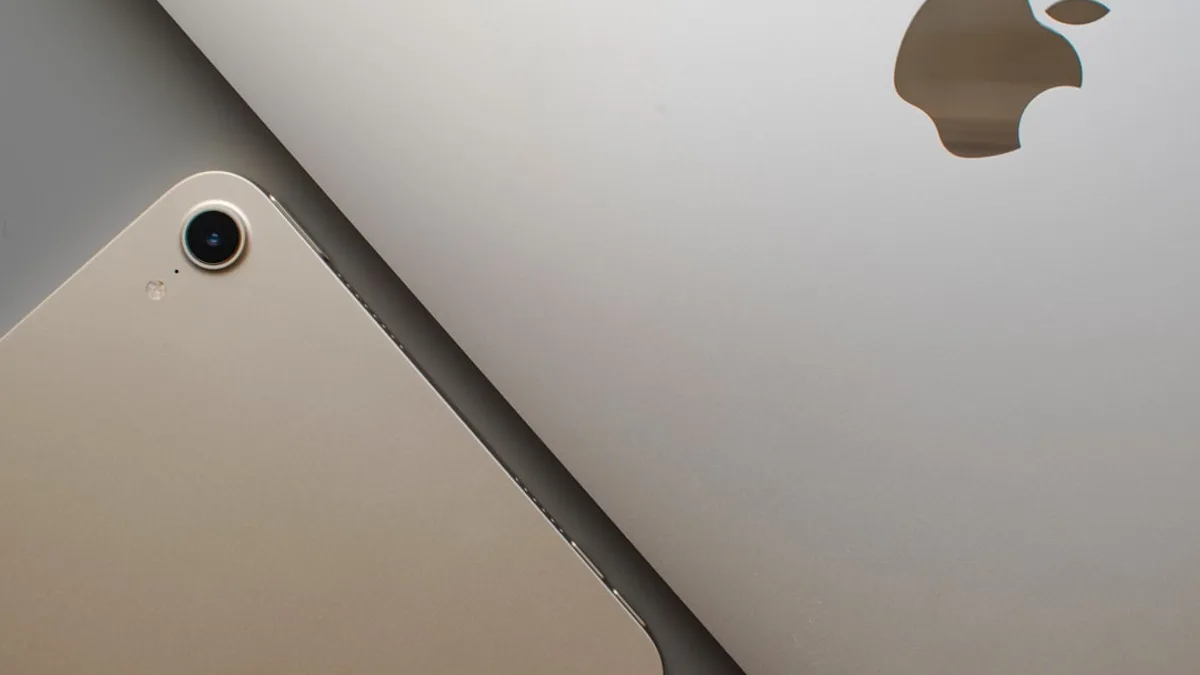
The clearest consumer-facing signal is already here: Apple raised prices across its Mac and iPad lines earlier in the week, with reported increases of 17% to 25% across base configurations.
The specific jumps are not subtle. The MacBook Neo rose by $100. Engadget also reported that Apple’s 1TB M5 MacBook Pro now costs $300 more, while iPad Pro models rose by $200.
Those are cost-pass-through moves, not cosmetic pricing tweaks.
Reports attribute the pressure to a global memory shortage driven by AI data centre demand. That matters because memory is not a peripheral input for modern hardware. It sits inside Macs, iPads, PCs, smartphones, servers, and AI systems. When AI data centres absorb more supply, consumer electronics companies have fewer easy options.
Apple has pricing power. That is one reason it can lift hardware prices across major categories rather than immediately cut specifications or delay products. But pricing power is not cost immunity. A 17% to 25% increase across base configurations risks changing buyer behavior, especially if customers delay upgrades or choose lower configurations.
That context also sharpens the timing of Apple’s CXMT approach. The company is not merely shopping for a cheaper supplier. It is trying to add flexibility as its existing supply chain tightens.
For readers tracking Apple’s hardware roadmap, this makes the next product cycle more complicated. Apple already faces questions around product timing and differentiation, including the pressure points we covered in Touchscreen Mac Rumor Turns Apple’s M5 Macs Into a Trap. A memory crunch adds a different constraint: even the right product strategy can get squeezed by component economics.
Apple’s Supply Gamble Runs Through Three Incumbent Memory Suppliers
Apple currently buys memory from Micron, Samsung, and SK Hynix. That is a formidable supplier base, but it is still a concentrated one during a shortage.
All three are under pressure from the same force: AI data centre demand pulling memory supply away from consumer electronics. Reports of sharp memory cost pressure help explain why Apple is looking beyond its established vendors.
Adding CXMT would give Apple a fourth supplier. That could improve optionality, strengthen negotiating leverage, and reduce dependence on a supply chain that has been tightening for months.
But this is not a simple substitution. The economics depend on details available reports do not provide:
- Chip type: The report does not specify which memory chips Apple wants from CXMT.
- Volumes: There is no disclosed purchase size.
- Product scope: It is unclear whether CXMT parts would be used in China-only products or broader global lines.
- Quality standards: Apple’s qualification process and performance requirements are not detailed.
- Clearance terms: The Trump administration has not indicated whether it will approve the request.
That uncertainty limits the analysis. CXMT may not become a major Apple supplier even if clearance arrives. The supplier could serve as a contingency source, a negotiating signal, or a narrow regional option rather than a broad replacement for Micron, Samsung, or SK Hynix.
Still, the fact that Apple is reportedly asking at all is the important tell. When a company with Apple’s purchasing scale is willing to test Washington’s tolerance for a 1260H-listed supplier, the memory shortage is no longer a background cost issue.
CXMT’s 1260H Status Makes This More Than a Procurement Call
The 1260H list is not the same as a full private-sector sanctions ban. It identifies companies the Defense Department believes are linked to the People’s Liberation Army. The restriction applies to the Defense Department itself, including use through third parties.
For Apple, the practical risk is political and contractual. Buying from CXMT may be legally possible, but it could invite scrutiny from lawmakers, national security officials, and federal customers.
Congress is already objecting.
“Apple choosing to partner with a Chinese military company would be a grave mistake,” John Moolenaar, who leads Congressional efforts to investigate China’s geopolitical influence, told the Financial Times.
That quote captures the likely Washington framing. Apple may see CXMT as a supply-chain relief valve. Critics may see it as a U.S. company deepening ties with a Chinese entity flagged by national security agencies.
There is also a policy contradiction here. Washington wants resilient supply chains and lower inflationary pressure on consumers. At the same time, it wants to restrict technology flows and commercial support to Chinese firms viewed as strategically risky.
Apple’s request sits directly inside that contradiction. If the administration approves, it may face accusations of softening pressure on China’s semiconductor sector. If it rejects the request, Apple loses a potential source of supply during a memory crunch already showing up in product prices.
The 1260H designation therefore changes the risk calculus. A normal supplier diversification move becomes a test of how much geopolitical risk Apple can absorb in exchange for supply flexibility.
Micron, Samsung, SK Hynix, Congress, and Consumers Each See a Different Apple Move
Apple’s likely view is straightforward: protect product availability, manage input costs, and avoid letting memory shortages dictate launch schedules. The company has not commented on the CXMT report, so that remains MLXIO analysis based on the reported request and the price increases.
The incumbent suppliers may read the move differently. Micron, Samsung, and SK Hynix know Apple still depends on their scale and reliability. But the possibility of a fourth supplier can still shift negotiation dynamics, especially if Apple can credibly qualify CXMT parts for some products.
Washington sees a precedent risk. If Apple receives clearance, other U.S. companies may ask why they cannot also source from politically sensitive suppliers when shortages bite. That is the broader stakes behind Moolenaar’s criticism.
Consumers may care less about supplier lists and more about checkout prices. The MacBook Neo’s $100 increase is a direct hit to the entry point. The $300 increase for Apple’s 1TB M5 MacBook Pro raises the cost of a higher-storage laptop configuration. The $200 iPad Pro increase cuts into a product line that already sits at the premium end of tablets.
Investors face a different trade-off. On one side, Apple can defend margins by raising prices. On the other, political confrontation over CXMT could create a new overhang.
That tension suggests the memory squeeze is not a minor supply-chain nuisance.
Apple’s China Exposure Keeps Reappearing Through the CXMT Question
The CXMT episode exposes a persistent vulnerability: even Apple cannot fully separate hardware economics from China-related geopolitical risk.
Available reports do not establish details about Apple’s broader manufacturing diversification, so it would be a mistake to overstate that context here. What the report does show is narrower but still important: Apple’s current memory supply base is not enough to insulate it from a global shortage, and the alternative supplier now under discussion carries U.S. national security baggage.
That is the deeper lesson. Supply diversification sounds clean in theory. In practice, the next available source of capacity may come with political costs attached.
This also matters for Apple’s product strategy. Hardware planning is already crowded with questions around form factors, AI features, and platform transitions. As we reported in Foldable iPhone Grabs Apple’s 15-Product Fall Spotlight, Apple’s future lineup is being watched for signs of where the company places its next major bets. Memory availability now becomes another constraint on how cleanly those bets can be executed.
Tim Cook’s warning that Apple could no longer escape the memory crunch adds another layer.
That warning matters. Apple is dealing not just with a component shortage, but with a live policy dispute over whether it can broaden supply through CXMT.
Apple’s CXMT Bid Points to Higher Prices and Harder Sourcing Choices
For tech buyers, the near-term signal is already visible: higher Mac and iPad prices. If memory constraints persist, buyers could see fewer discounts, more expensive configurations, or tighter availability in some product lines. Available reports do not confirm delayed products or configuration cuts, so those remain scenarios rather than facts.
For the chip industry, Apple’s reported CXMT request signals something more structural. AI data centre demand is not only raising memory prices. It is forcing consumer hardware companies to consider suppliers they might otherwise avoid.
That creates a harsher operating environment:
- Apple wants supply flexibility without triggering a political fight.
- Incumbent memory suppliers benefit from tight markets but risk customers hunting for alternatives.
- Washington must decide whether national security restrictions bend during shortages.
- Consumers absorb the result through higher hardware prices.
- Investors weigh margin protection against geopolitical exposure.
The next evidence point is the Trump administration’s response. Approval would suggest Washington is willing to make exceptions, or at least tolerate narrow sourcing arrangements, when shortages hit major U.S. companies. Rejection would reinforce the view that national security policy overrides supply-chain pragmatism, even when consumer prices are rising.
The thesis weakens if Apple says the CXMT report is inaccurate, if memory prices ease quickly, or if Micron, Samsung, and SK Hynix can meet Apple’s needs without further price pressure. It strengthens if Apple receives clearance, expands supplier talks, or raises prices again.
Either way, Apple’s CXMT request has already done something important. It showed that the AI memory crunch is no longer contained inside data centres. It is now spilling into consumer hardware pricing, supplier politics, and the boundary between U.S. technology strategy and national security policy.
Impact Analysis
- Apple's memory sourcing problem shows how component shortages can quickly become geopolitical issues.
- The case tests how far U.S. tech companies can go in using Chinese suppliers flagged by Washington.
- Consumers may feel the pressure through higher Mac and iPad prices if memory shortages persist.