MLXIO
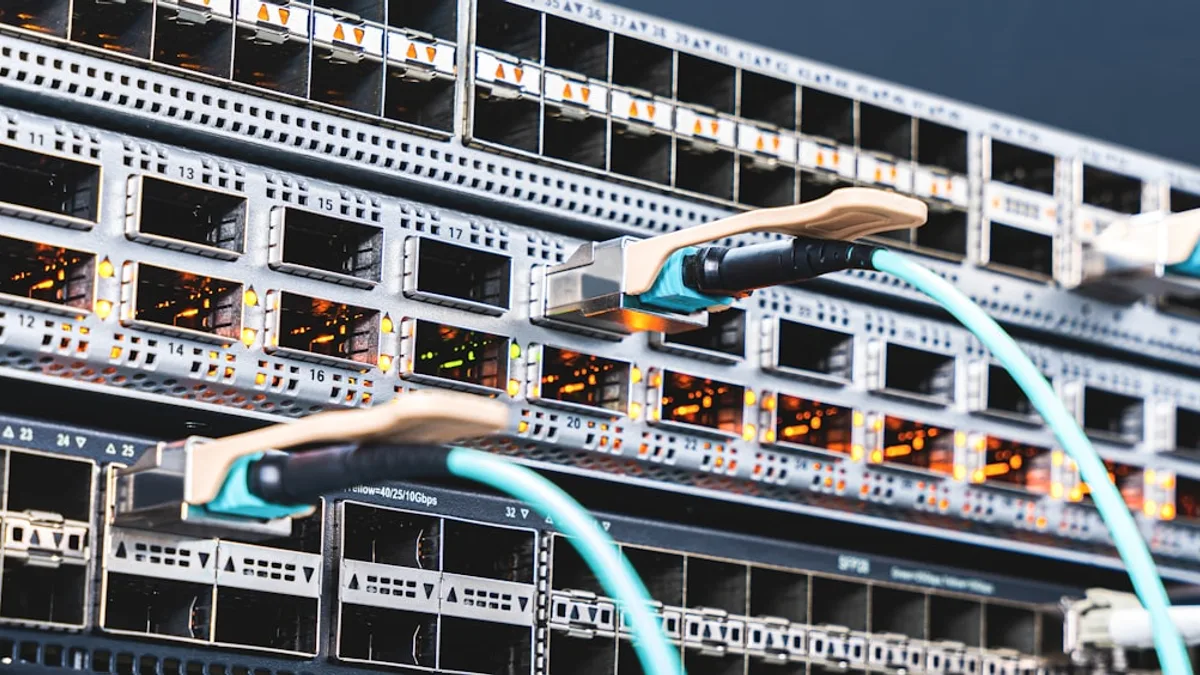
a bunch of wires that are connected to a server
TechnologyMay 17, 2026· 4 min read· By MLXIO Insights Team

Data Centers Spark 76% Power Price Surge on US Grid

Share

MLXIO Intelligence

Analysis Snapshot

56
Moderate
Confidence: LowTrend: 10Freshness: 96Source Trust: 85Factual Grounding: 88Signal Cluster: 20

Moderate MLXIO Impact based on trend velocity, freshness, source trust, and factual grounding.

Thesis

High Confidence

A 76% surge in power prices on the largest U.S. grid is primarily driven by rapidly increasing demand from data centers, straining existing energy infrastructure.

Evidence

  • Power prices on the largest U.S. grid have surged 76%, nearly doubling.
  • A watchdog directly attributes the price spike to data center demand.
  • Data centers are now among the largest electricity consumers in the country.
  • The price increase is not mirrored in other regions or industries, indicating a targeted supply-demand shock.

Uncertainty

  • Exact megawatt-hour demand from data centers is not specified.
  • No direct responses from utilities or data center operators are provided.
  • Long-term regulatory or infrastructure responses remain unclear.

What To Watch

  • Utility and regulator plans for grid upgrades or pricing reforms.
  • Data center operator strategies for managing energy costs or siting.
  • Potential changes in consumer or business electricity rates.

Verified Claims

Power prices on the largest U.S. grid have surged 76% due to increased demand from data centers.
📎 Prices have nearly doubled in the largest U.S. grid thanks to surging demand from data centers.High
Data centers are the primary factor behind the recent spike in electricity prices on the grid.
📎 A watchdog is sounding the alarm, pointing directly to these facilities as the primary culprit behind the cost surge.High
The current price increase is not part of a broader inflationary trend but is specifically linked to data center demand.
📎 The absence of comparable spikes in other regions or industries suggests this isn’t a broad inflationary trend but a targeted supply-demand shock.Medium
Utilities and consumers are facing challenges due to the rapid increase in power prices driven by data centers.
📎 Utilities, regulators, and consumers are left to grapple with the fallout. Ratepayers are almost certainly feeling the squeeze.Medium
The magnitude of the current power price hike is unusual compared to historical volatility, which was typically caused by supply shocks or natural disasters.
📎 Historically, price volatility in electricity markets has often stemmed from supply shocks or natural disasters, not from a single sector’s demand ramping up.Medium

Frequently Asked

Why have power prices surged 76% on the largest U.S. grid?

The surge is primarily due to exploding demand from data centers, which have become major electricity consumers.

Are data centers solely responsible for the recent spike in electricity prices?

According to a watchdog cited in the article, data centers are the main driver of the recent power price escalation.

How are utilities and consumers affected by the rise in power prices?

Utilities face challenges accommodating new demand, while consumers and businesses are likely experiencing higher bills as costs are passed on.

Is the current power price increase part of a general inflation trend?

No, the article suggests the price spike is specific to increased data center demand rather than a broad inflationary trend.

How does the current power price surge compare to past events?

Unlike past volatility often caused by supply shocks or natural disasters, this surge is driven by rapid growth in a single sector—data centers.

Updated on May 17, 2026

Why Power Prices Have Skyrocketed 76% on America’s Largest Grid

Power prices on the largest U.S. grid have surged 76%—a spike that’s impossible to ignore. The trigger? Exploding demand from data centers, which are now among the most voracious electricity consumers in the country, according to TechCrunch.

This isn’t a gradual climb. The price jump is nearly double what it was before demand from data centers began accelerating. A watchdog is sounding the alarm, pointing directly to these facilities as the primary culprit behind the cost surge. The implication is clear: the energy infrastructure, built for a different era, is getting pushed to new limits by a digital economy that never sleeps.

Crunching the Numbers: Data Center Demand and Its Impact on Grid Pricing

While the exact megawatt hours aren’t listed in the source, the narrative is unambiguous—data centers have fundamentally changed the grid’s demand profile. Prices have “nearly doubled,” an unmistakable sign that the grid isn’t just strained, it’s being transformed.

Here’s the MLXIO analysis: If data centers are driving the majority of new demand, and that demand is translating into a 76% price hike, their influence is outsized relative to traditional industrial or residential growth. The absence of comparable spikes in other regions or industries (not mentioned in the source) suggests this isn’t a broad inflationary trend but a targeted supply-demand shock. In short, data centers are not just a new load—they’re the load that tips the balance.

Diverse Stakeholder Perspectives on Rising Power Costs and Grid Management

The watchdog’s message is blunt: data centers are driving this price escalation. Utilities, regulators, and consumers are left to grapple with the fallout. The TechCrunch piece does not provide direct quotes or reactions from utilities or data center operators, so the clearest finger-pointing comes from the watchdog.

Analysis: With prices up 76%, ratepayers (both business and residential) are almost certainly feeling the squeeze. Utilities face the technical and political challenge of accommodating new demand without losing reliability or public trust. Data center operators, meanwhile, are painted as the villain—but also as the customer with the most leverage. The debate over who should pay for grid upgrades and who benefits from new infrastructure is likely intensifying, though the source does not supply those specifics.

Lessons from the Past: Historical Power Price Volatility and Infrastructure Strains

What’s different now? The source doesn’t cite past crises, but the sheer magnitude of the current price hike stands out. Historically, price volatility in electricity markets has often stemmed from supply shocks or natural disasters, not from a single sector’s demand ramping up. The lesson: when one industry’s growth outpaces infrastructure, the whole system can become unstable—fast.

MLXIO’s take: Previous surges often triggered major regulatory or market responses. This time, the driver is the digital economy itself.

What Rising Power Prices Mean for Businesses, Consumers, and the Tech Industry

A 76% increase in power prices is no rounding error for data centers. Electricity is a primary input cost for these facilities; higher prices directly erode margins and may force operators to rethink location strategies or technical designs.

For consumers and non-tech businesses, the downstream effects are less direct but still painful. If utilities pass on higher wholesale costs, bills rise. If data centers pass on higher costs, so do the platforms, cloud providers, and services that rely on them.

MLXIO inference: The tech sector’s growth ambitions now run headlong into physical infrastructure limits. Sustainability goals could take a back seat if cost pressures force short-term decisions. This challenge echoes issues seen in Google’s Gemini Intelligence Sparks Android Flagship Race, where tech innovation must balance with infrastructure demands.

If data center demand keeps expanding at this pace, the grid’s existing model is unsustainable. The watchdog’s warning is a shot across the bow: rapid digital expansion can destabilize legacy infrastructure.

Future scenarios hinge on a few unknowns: Will regulators intervene to curb price volatility? Will utilities fast-track new capacity? Will data centers invest in their own generation? The source doesn’t provide answers, but the questions are now urgent.

What to watch: Look for public policy debates over who shoulders the cost of grid upgrades. Watch for new announcements from utilities about capacity expansion, and track whether tech firms seek out regions with cheaper, more stable power. Any move in these directions will signal how the industry is adapting—or if it’s bracing for more price pain ahead. Similar infrastructure challenges have prompted companies like Samsung to update their device ecosystems, as seen in the Samsung Rolls Out One UI 8.5 Update to Galaxy S24, Fold6, Flip6 US story.

Impact Analysis

  • A 76% surge in power prices directly affects household and business energy bills across the region.
  • Explosive demand from data centers is stressing an aging energy infrastructure not designed for this digital era.
  • Regulators, utilities, and consumers must adapt to new grid realities as tech-driven demand reshapes the power market. This situation underscores concerns highlighted in Tech Is Quietly Draining Your Body, Not Just Your Mind, where technology’s unseen costs ripple beyond expectations.


Power Price Increase on America's Largest Grid

Before Data Center Boom
%100
After Data Center Boom
%176
MLXIO

Written by

MLXIO Insights Team

Algorithmic Research & Human Oversight

Powered by advanced algorithmic research and perfected by human oversight. The Insights Team delivers highly structured, cross-verified analysis on emerging tech trends and digital shifts, filtering out the fluff to give you high-fidelity value.

Related Articles

pink and black heart shape light
TechnologyJul 30, 2026

$2,399 Asus TUF Gaming F16 Bets on OLED, RTX 5070 Power

ASUS’s $2,399 TUF Gaming F16 brings OLED and RTX 5070 power, but the unpriced RTX 5060 version may matter more.

7 min read

person holding silver aluminum case Apple Watch
TechnologyAug 4, 2026

Google Health Finally Gives Fitbit Users Apple Health Sync

Google Health 5.05 lets Fitbit data write to Apple Health, ending a years-long iPhone sync gap for mixed-device users.

6 min read

person clicking Apple Watch smartwatch
TechnologyAug 2, 2026

$30 Btalk 4 Pro Bets on AMOLED, Skips Built-In GNSS

Btalk 4 Pro offers AMOLED and 14-day battery life for about $30, but skips built-in GNSS for standalone tracking.

5 min read

silver and gold round analog watch
TechnologyAug 2, 2026

Citizen Eco-Drive Peyten Kills the Battery Swap Chore

Citizen’s 30mm Eco-Drive Peyten watches sell solar charging as everyday convenience, not a niche spec.

7 min read

silver and gold round analog watch
TechnologyJul 31, 2026

Full-Metal Casio A1000SP-7 Hits Global Shelves, US Waits

Casio’s full-metal A1000SP-7 is now live in India, China and Europe, while US buyers are still waiting.

6 min read

person wearing silver aluminium case Apple Watch with white Sports Band
AI / MLJul 26, 2026

ChatGPT Takes a Second Shot at Your Apple Health Data

OpenAI is reopening Health in ChatGPT to U.S. adults, betting its AI can explain Apple Health data better than charts.

7 min read

three large ships in the ocean with a sky background
FinanceJul 13, 2026

4% Oil Price Spike Exposes Hormuz Traffic Collapse

Hormuz traffic collapsed, Brent jumped 4%, and traders are pricing disruption risk before any full closure is confirmed.

6 min read

silver iPhone X on brown surface
AI / MLJun 30, 2026

180-Day Clock Puts AI Health Data Sales on Notice

Democrats want AI health data sales banned, with a 180-day enforcement clock and chatbot medical disclosures in scope.

7 min read

two black fish finders on a fishing boat
TechnologyAug 5, 2026

Apple CarPlay Grabs the Helm on 2027 Pontoon Boats

Apple CarPlay and Android Auto are coming standard to select 2027 Crest and Balise pontoons with Savvy Navvy navigation.

7 min read

a person holding a smart phone in their hand
TechnologyAug 4, 2026

18-Hour Motorola Razr Fold Leaves Samsung Chasing Hard

Motorola’s Razr Fold hit 18h22m browsing, beating Samsung’s Galaxy Z Fold7 by about four hours.

7 min read

Stay ahead of the curve

Get a weekly digest of the most important tech, AI, and finance news — curated by AI, reviewed by humans.

No spam. Unsubscribe anytime.