Updated: Revised to reflect that the Galaxy S27 Pro details remain unconfirmed leaks, with added context around Samsung’s recent flagship segmentation and the broader compact-premium phone market.
Why Samsung’s Rumored 6.47-Inch Galaxy S27 Pro Could Reshape the Premium Smartphone Market
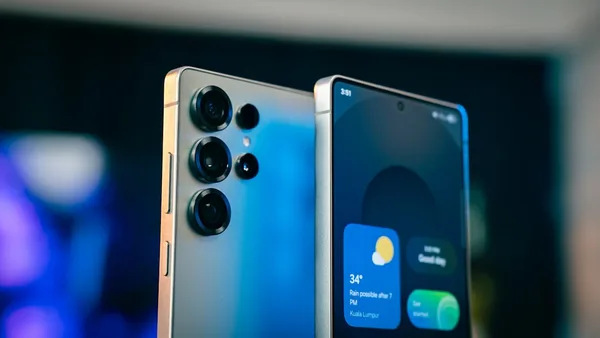
Samsung isn’t just expected to add another flagship—it may be carving out a more deliberate middle lane with the rumored Galaxy S27 Pro. According to Notebookcheck, the device is tipped to feature a 6.47-inch display and launch without S Pen support, positioning it as a smaller, premium alternative to Samsung’s Ultra model rather than a direct successor to the traditional Plus formula.
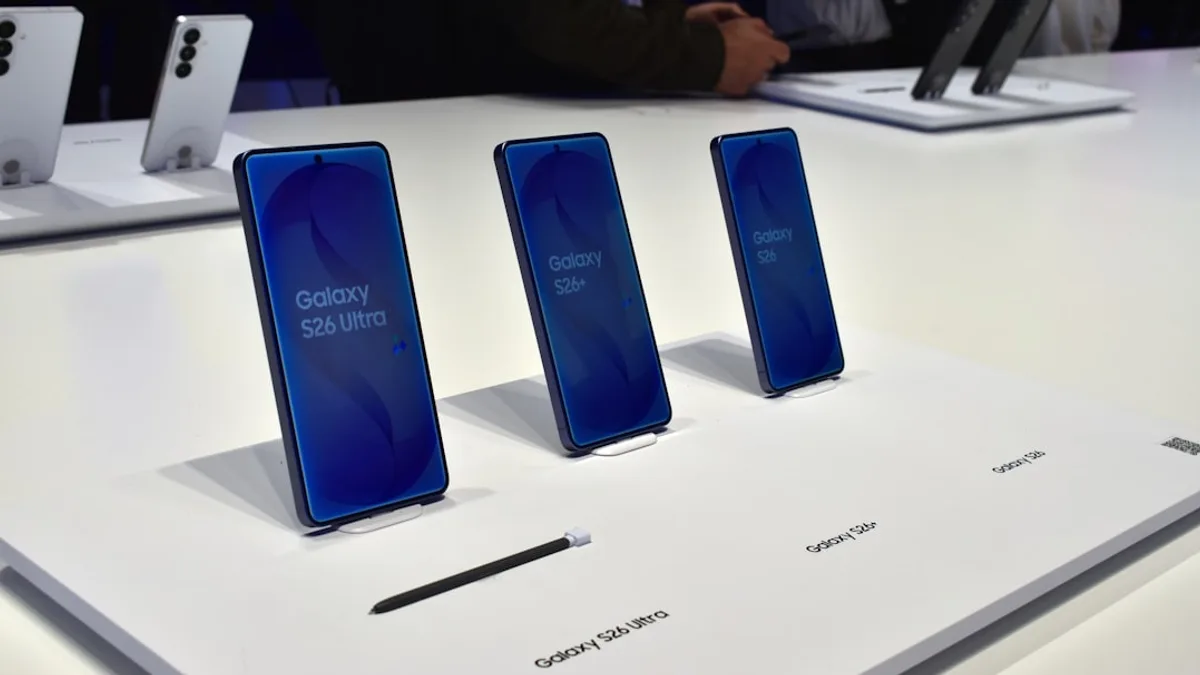
That distinction matters. Samsung’s Ultra phones have become the company’s everything-included devices: largest screen, most advanced cameras, biggest battery, and integrated stylus support. A Galaxy S27 Pro with a smaller display and no S Pen would suggest Samsung sees room for a flagship that feels premium without being oversized or productivity-focused.
The strategic play is clear: Samsung could be targeting buyers who want high-end specs but do not want a phone that feels like a pocket tablet. It also reflects a wider market tension. Apple, Google, and Samsung have all pushed premium phones toward larger screens, but there remains a vocal audience for more manageable devices that still offer top-tier performance, cameras, and displays. If the leak holds, Samsung may be betting that “compact” and “flagship” can coexist again.
Crunching the Numbers: Display Size and Feature Trade-Offs in the Galaxy S27 Pro vs. S27 Ultra
A 6.47-inch display would put the Galaxy S27 Pro in an interesting position. It would not be a truly small phone in the classic sense, but it would be noticeably more compact than Samsung’s Ultra line, which has consistently occupied the largest-screen tier in the Galaxy S family.
That size could make the S27 Pro more appealing to users who find base models too limited but Ultras too large. It would also sit in the same general range as rival “Pro” devices from Apple and Google, which have increasingly become the sweet spot for buyers who want flagship hardware without stepping up to the biggest “Max,” “XL,” or “Ultra” models.
The reported lack of S Pen support is the clearest trade-off. Samsung’s stylus remains one of the Ultra’s defining features, especially for note-taking, document markup, sketching, remote camera control, and productivity workflows. Removing it from the S27 Pro would keep the Ultra’s identity intact while allowing Samsung to market the Pro as a cleaner, more mainstream premium device.
The key question is what else Samsung withholds. If the Galaxy S27 Pro loses only the S Pen and some screen size, it could become a compelling flagship alternative. But if Samsung also cuts camera hardware, battery capacity, charging speeds, or display quality too aggressively, the “Pro” label may feel more like branding than substance.
Diverse Stakeholder Perspectives on Samsung’s Compact Flagship Strategy
For consumers, the rumored Galaxy S27 Pro could solve a familiar problem: choosing between comfort and capability. Many buyers want premium camera systems, fast chips, bright displays, and long software support, but they do not necessarily want the largest phone available. A 6.47-inch model could appeal to that group if Samsung avoids making it feel like a compromised tier.
Industry analysts are likely to view this as a segmentation move. Samsung already sells multiple flagship variants, but the traditional base/Plus/Ultra structure can leave gaps. The base model may feel too small or less fully equipped, the Plus model can feel like a bigger version of the standard phone, and the Ultra can be too large or expensive for some buyers. A Pro model could give Samsung a more direct answer to Apple’s Pro-tier strategy.
Enthusiast reaction will probably be mixed. Some users will welcome a more compact premium Galaxy, especially if it includes high-end cameras and display technology. Others may argue that a Samsung flagship without S Pen support cannot truly replace the Ultra experience. That tension may be exactly what Samsung wants: a clearer distinction between the Ultra as the no-compromise productivity flagship and the Pro as the more manageable performance flagship.
Competitors are not standing still. Apple’s iPhone Pro models and Google’s Pixel Pro devices already target buyers who want high-end features without always choosing the largest available screen. If Samsung moves more aggressively into that space, it could intensify competition in the premium mid-size category.
Tracing Samsung’s Evolution: How the Galaxy S27 Pro Fits into the Brand’s Historical Flagship Trends
Samsung’s flagship strategy has historically centered on tiered differentiation: standard, Plus, and Ultra. The Ultra has absorbed the role once played by the Galaxy Note, with S Pen support and an emphasis on productivity, camera hardware, and maximum specifications. Over time, that has made the Ultra the default choice for users who want Samsung’s best, even if they do not care about the stylus or the largest form factor.
The rumored Galaxy S27 Pro would represent a subtle but important shift. Rather than forcing buyers to choose between a mainstream Galaxy S model and the feature-packed Ultra, Samsung could introduce a smaller premium model that borrows some of the Ultra’s appeal while leaving the stylus and oversized footprint behind.
This would also fit a broader trend in flagship branding. “Pro” has become shorthand for premium capability without necessarily meaning the biggest phone in the lineup. Apple has used that structure for years, and Google has leaned into Pro branding with its Pixel lineup. Samsung adopting a more distinct Pro tier would make its flagship naming easier to compare across the market, even if it risks complicating the Galaxy S family.
The challenge is execution. Samsung must make the S27 Pro feel meaningfully different from both the base model and the Ultra. If it is too close to the standard Galaxy S27, buyers may skip it. If it is too close to the Ultra, it could cannibalize Samsung’s most expensive model. The rumored 6.47-inch size and lack of S Pen support suggest Samsung is trying to draw that line carefully.
What Samsung’s Smaller Galaxy S27 Pro Means for Smartphone Buyers and the Industry Landscape
If Samsung gets the balance right, the Galaxy S27 Pro could become the default option for buyers who want a premium Android phone that is easier to handle than an Ultra. It would offer a clearer fork in the road: choose the Ultra for maximum screen size, stylus support, and likely the most advanced hardware, or choose the Pro for a more compact flagship experience.
For shoppers, the most important details will be the camera system, battery size, chipset, display quality, and software support. Samsung’s recent flagships have emphasized AI features, long update commitments, and increasingly bright displays, so expectations for any S27-branded Pro model will be high. A smaller phone cannot simply be a trimmed-down Ultra; it needs to justify its place with strong core hardware.
Accessory makers would also pay attention. A new flagship size means new cases, screen protectors, mounts, and charging accessories. Developers are less likely to need major adjustments for a 6.47-inch screen, but UI optimization still matters, especially as premium Android phones continue to vary in aspect ratio, resolution, and display curvature.
For the broader industry, the S27 Pro could act as a test case. If it sells well, rivals may be encouraged to invest more heavily in premium phones that are not defined by maximum size. If it struggles, manufacturers may conclude that compact-leaning flagships remain a niche preference rather than a major growth category.
Forecasting the Future: How the Galaxy S27 Pro Could Shape Premium Smartphone Trends by 2027
With Samsung’s Galaxy S27 series still unannounced, the rumored Pro model remains speculative. The reported 6.47-inch display and absence of S Pen support should be treated as leaks rather than confirmed specifications. Samsung could still change its naming, sizing, or feature strategy before launch.
If the S27 Pro arrives as described, however, it could influence premium smartphone design in several ways. A successful smaller flagship would put more pressure on chipmakers, battery suppliers, and camera module manufacturers to deliver top-end performance in tighter bodies. It could also push brands to rethink the assumption that the most expensive phone must always be the largest.
The biggest unknown is how much “Ultra” DNA Samsung is willing to include. Strong interest would be likely if the S27 Pro delivers flagship cameras, a top-tier processor, premium materials, a high-end display, and long battery life while only sacrificing the S Pen and some screen size. But if the device also falls behind the Ultra in too many core areas, it may be seen as another middle-tier option rather than a true compact flagship.
What to watch next: display confirmations from supply-chain analysts, camera hardware leaks, battery capacity reports, and any indication of Samsung’s final naming structure. Those details will determine whether the Galaxy S27 Pro is a genuine shift in Samsung’s flagship playbook—or simply another way to slice an increasingly crowded premium lineup.
Why It Matters
- Samsung may be targeting premium customers who want a more manageable phone without giving up flagship-level performance.
- The rumored lack of S Pen support would preserve the Ultra’s identity while creating clearer separation for a Pro model.
- A successful 6.47-inch Galaxy S27 Pro could revive interest in compact-leaning premium smartphones and pressure rivals to respond.